Hamster
Tiny, nocturnal and fun to watch.
Syrian hamsters are solitary, so they live alone. They are most active at night and enjoy burrowing, running and stuffing their cheek pouches.
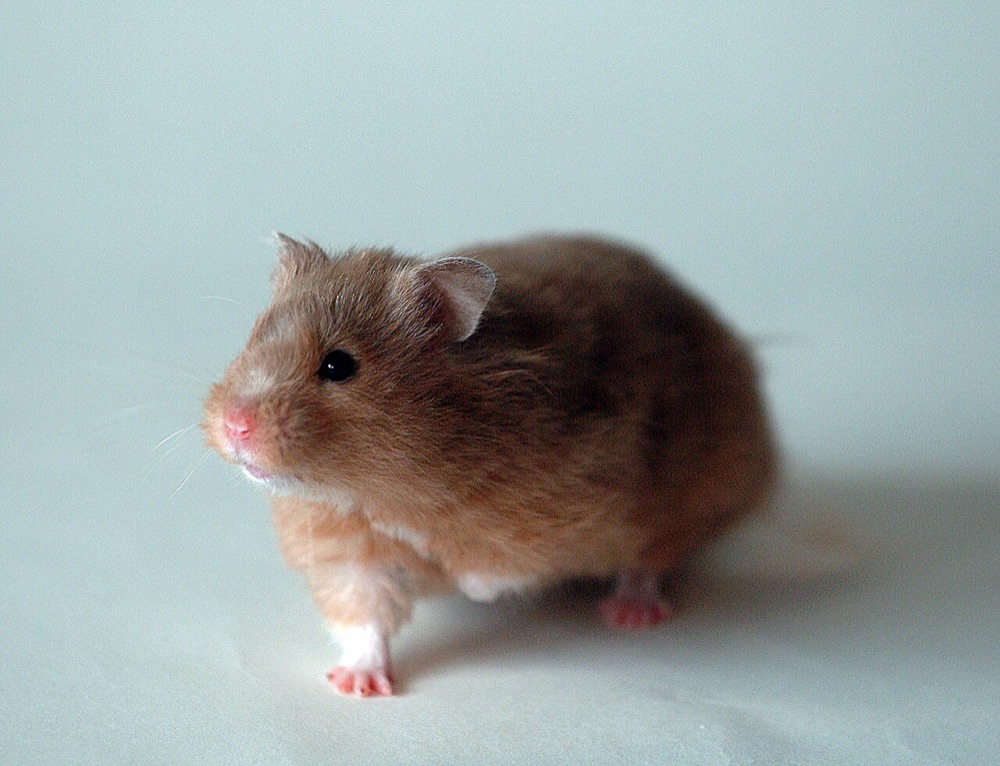
Photo: Adamjennison111 at English Wikipedia · CC BY 2.5 · Wikimedia Commons
Daily care
At least 450 sq in of floor space with 6+ inches of bedding for burrowing, and a solid 10–12 inch wheel.
Quality hamster mix or lab blocks plus small portions of fresh vegetables.
Large wheel and scatter-feeding for foraging.
Self-grooming; provide a sand bath.
Common health concerns
Know what to watch for. Early detection makes most of these far easier and cheaper to treat.
- Wet tail (diarrhea)
- Overgrown teeth
- Tumors
- Respiratory infections
- Cheek pouch impaction
Vet visits
An exotics vet visit after adoption and whenever something seems off.
Find a vet near meYou might also like
More small pets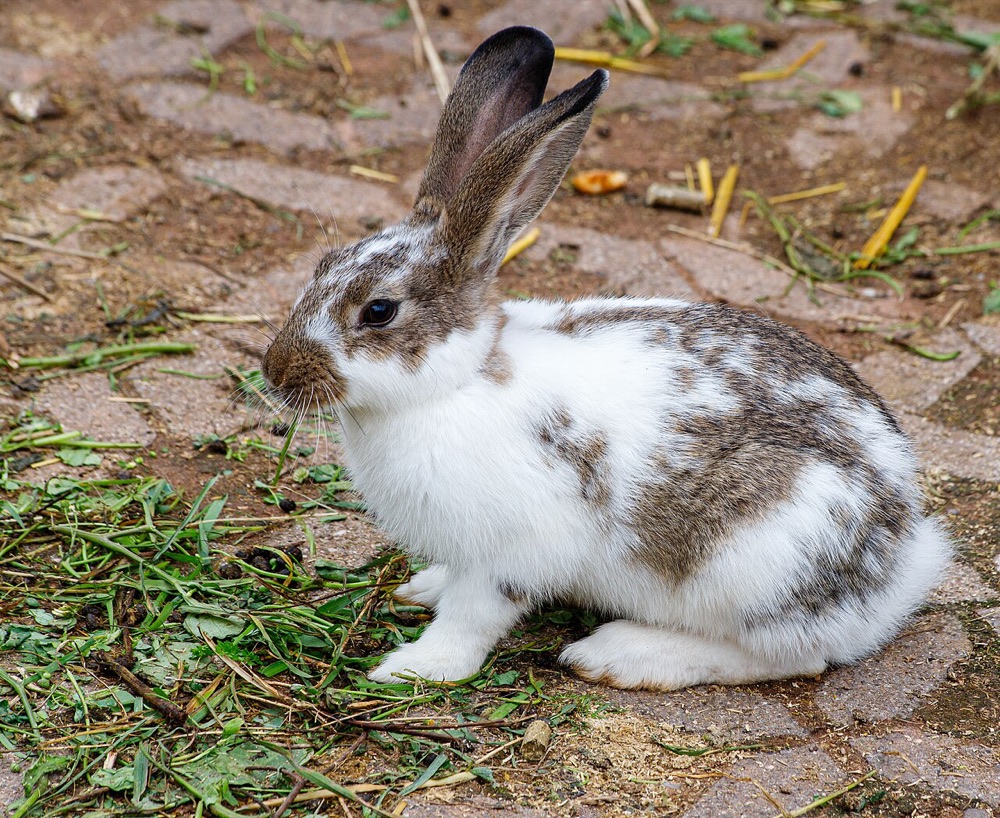 🐇 Small Pets
Rabbit
Social, clever and more involved than you think.
 🐇 Small Pets
Guinea Pig
Chatty, gentle and great for families.
 🐇 Small Pets
Ferret
Playful, mischievous and full of energy.
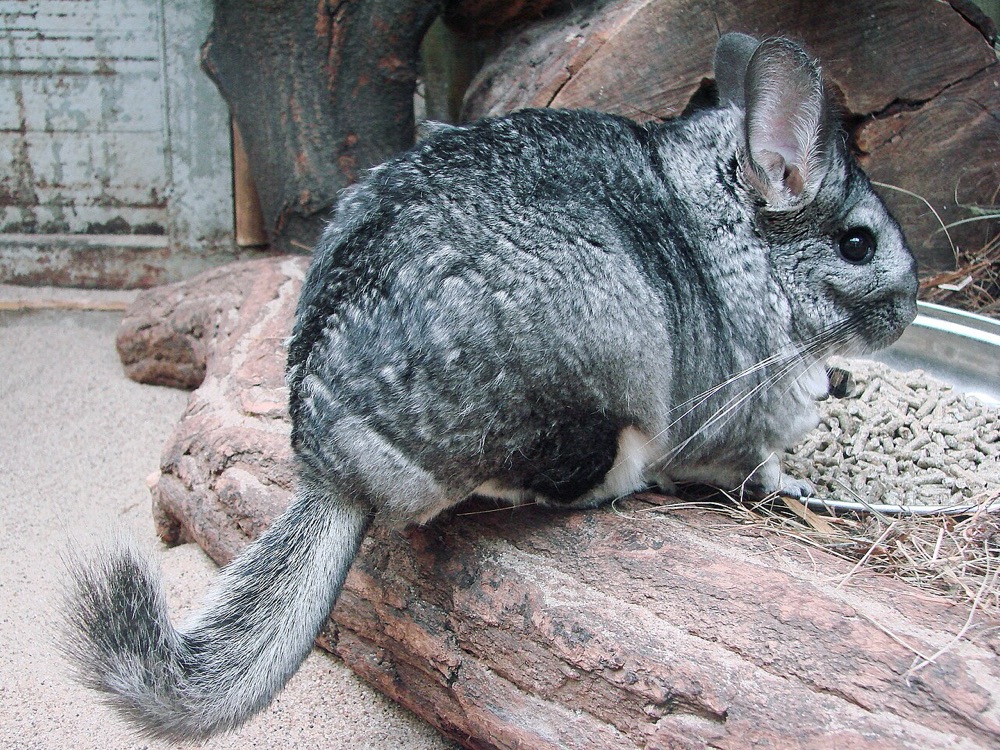 🐇 Small Pets
Chinchilla
Velvet-soft acrobat from the Andes.
This guide is general information, not veterinary advice. Costs are rough U.S. estimates for food, supplies and routine care. Always consult a licensed veterinarian about your pet’s needs.